Understanding Nutrient Roles
This educational resource explores how natural food sources provide essential nutrients that support normal physiological processes in adult men. The information presented here describes biological functions and natural dietary sources without making health claims or personal recommendations.
Nutrients play fundamental roles in supporting metabolic processes, cellular function, and overall physiological balance. This guide examines specific nutrients, their natural sources, and their involvement in human biology from an informational perspective.
Essential Elements and Their Roles
| Nutrient | Key Biological Functions | Natural Sources |
|---|---|---|
| Omega-3 Fatty Acids | Support cell membrane structure, inflammatory response regulation | Mackerel, herring, sardines, flaxseeds |
| Zinc | Enzyme function, protein synthesis, immune response | Pecans, pumpkin seeds, beef, oysters |
| Vitamin D | Calcium absorption, bone mineralization, immune support | Fatty fish, egg yolks, mushrooms exposed to sunlight |
| Vitamin C | Collagen synthesis, antioxidant activity, iron absorption | Cauliflower, berries, citrus, bell peppers |
| Vitamin K | Blood clotting regulation, bone mineralization | Leafy greens, cauliflower, Brussels sprouts |
| Iodine | Thyroid hormone synthesis, metabolic regulation | Seaweed, fish, eggs, dairy |
| Copper | Energy production, connective tissue formation | Nuts, seeds, shellfish, legumes |
| Manganese | Bone development, metabolic processes | Nuts, seeds, whole grains, tea |
Key Food Sources: In Detail
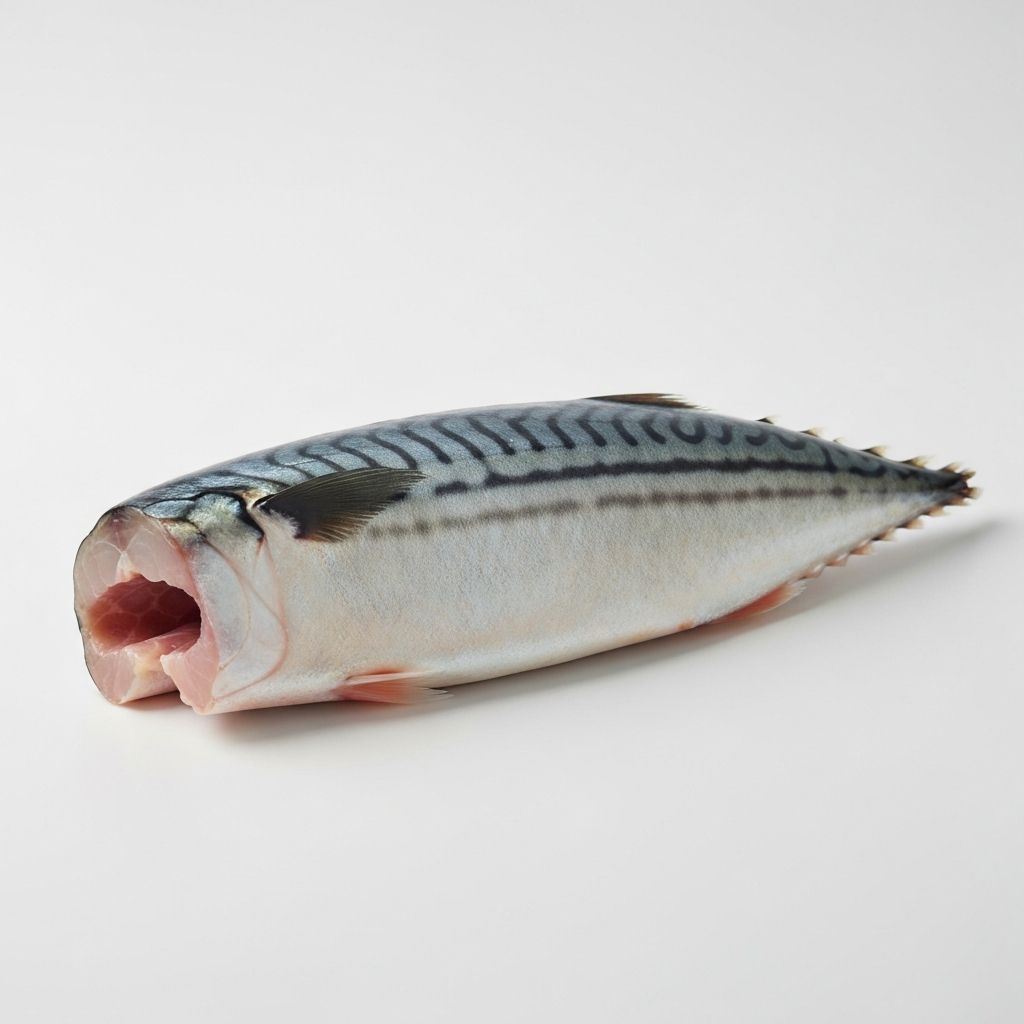
Mackerel: Omega-3 and Vitamin D
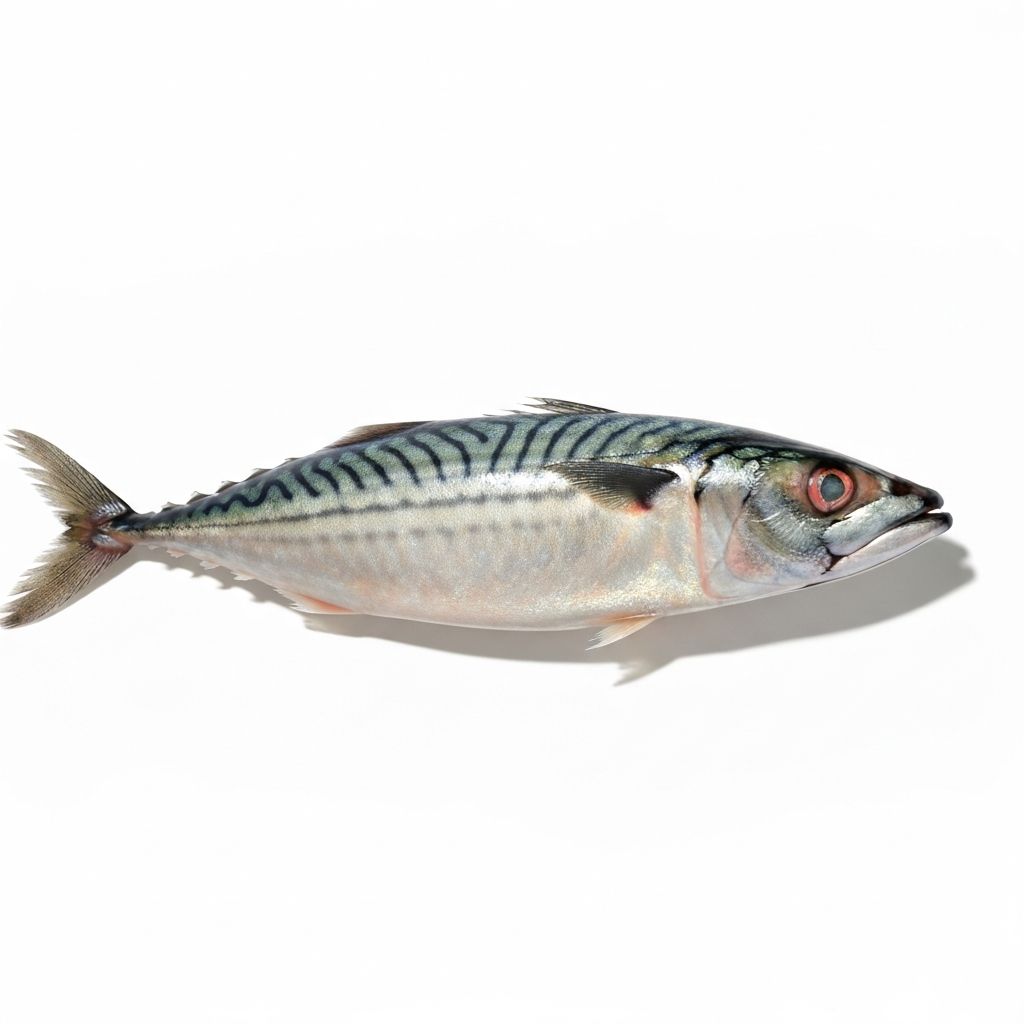
Mackerel is a fatty fish rich in EPA and DHA (omega-3 fatty acids) and vitamin D. These compounds support cell membrane integrity and play roles in inflammatory response regulation and calcium metabolism. Mackerel provides approximately 4 micrograms of vitamin D per 100 grams and significant omega-3 content naturally.
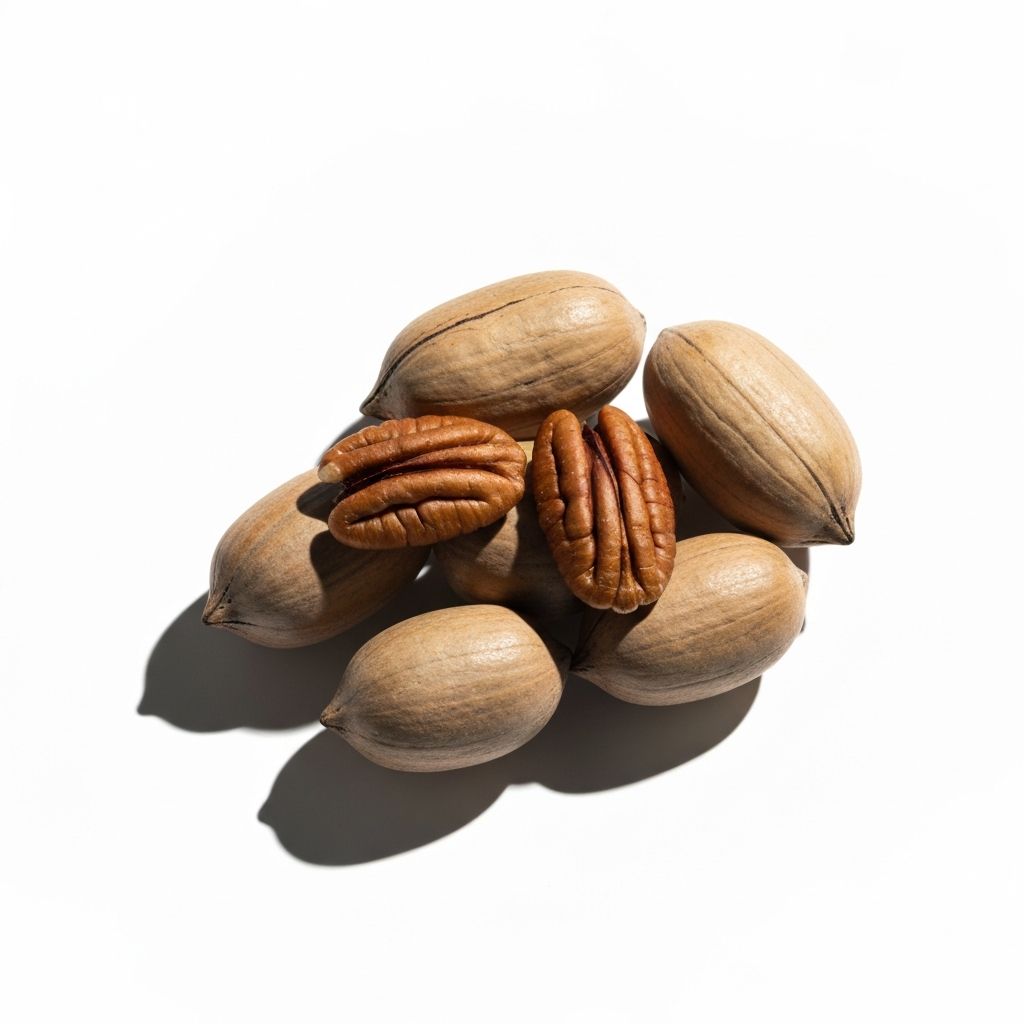
Pecans: Zinc and Vitamin E
Pecans contain significant amounts of zinc and vitamin E. Zinc participates in enzyme catalysis and immune function, while vitamin E provides antioxidant activity. A 100-gram serving of pecans provides approximately 4.5 mg of zinc and supports trace mineral intake through natural whole food sources.
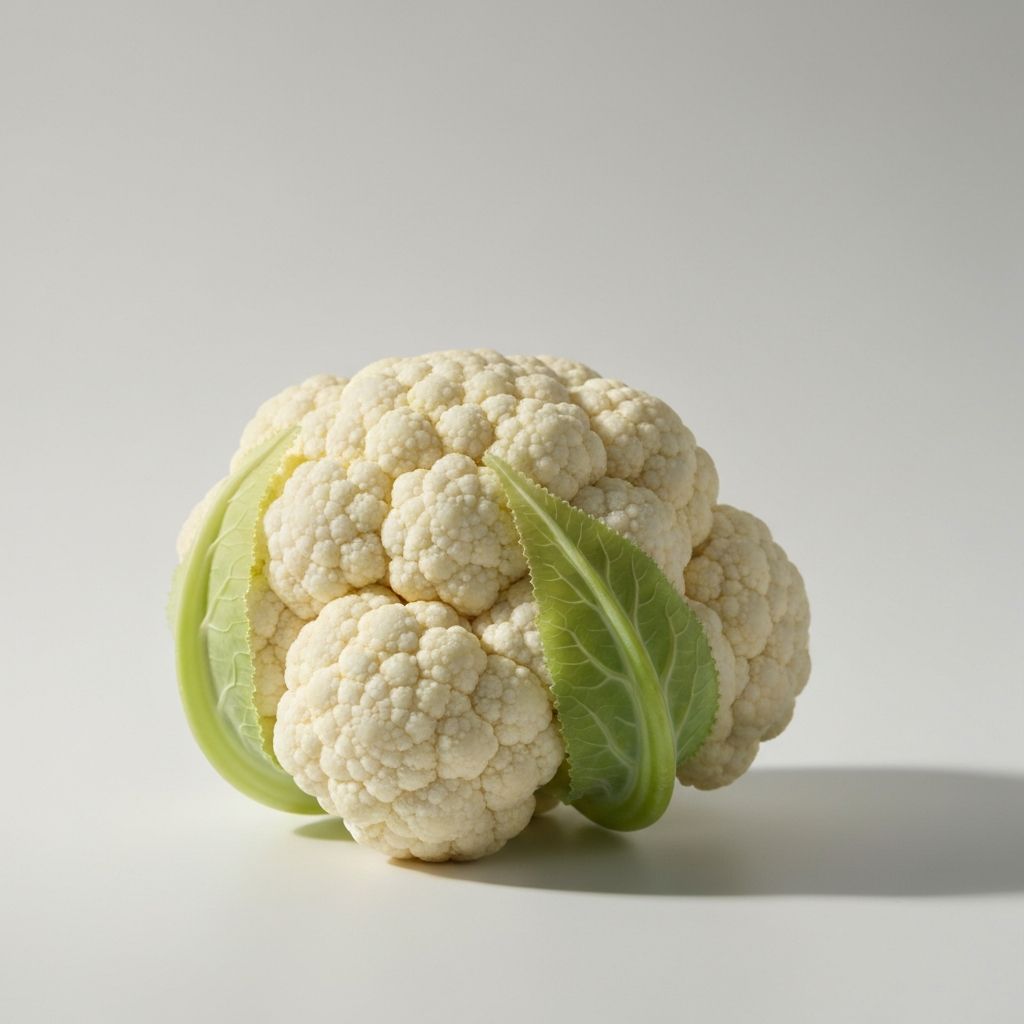
Cauliflower: Vitamin C and K
Cauliflower is a cruciferous vegetable containing both vitamin C and vitamin K. Vitamin C supports collagen synthesis and acts as an antioxidant, while vitamin K plays a role in blood coagulation cascade and bone mineralization. Raw cauliflower provides approximately 46 mg of vitamin C per 100 grams.
Iodine Sources in Food
Iodine is an essential trace mineral required for thyroid hormone synthesis. Natural dietary sources include:
- Seaweed: Contains iodine in variable concentrations depending on ocean mineral content; dried seaweed nori provides approximately 16–2000 micrograms per gram
- Fish and Seafood: Cod and tuna naturally accumulate iodine; approximately 150 micrograms per 100 grams of cooked cod
- Eggs: Iodine content reflects dietary iodine intake of laying hens; approximately 7–60 micrograms per egg depending on feed
- Dairy Products: Milk and yogurt contain iodine from animal feed; approximately 11–49 micrograms per 100 milliliters of milk
- Shellfish: Oysters and mussels concentrate iodine from seawater; approximately 54–270 micrograms per 100 grams

Copper in Natural Diet
Copper is a trace mineral involved in cellular energy production and connective tissue formation through its role in enzyme systems. Natural food sources provide bioavailable copper:
Plant-based sources: Nuts and seeds are concentrated sources. One ounce of almonds provides approximately 0.25 mg of copper. Legumes including lentils and chickpeas contain copper in measurable quantities.
Animal sources: Shellfish particularly oysters and crab contain high copper levels. Organ meats including beef liver provide approximately 4 mg per 100 grams cooked.
Other sources: Whole grains, mushrooms, and chocolate contain copper naturally. The bioavailability of copper from food sources varies based on other dietary components including phytate content and protein structure.
Manganese Facts and Sources
Manganese is a trace mineral essential for bone development and various metabolic enzyme systems. Daily adequate intake for adult men is listed as 2.3 mg by nutritional reference standards.
Natural food sources: Nuts including pecans and almonds provide 1–2 mg per ounce. Tea, particularly black and green varieties, contains high manganese concentrations. Whole grains including oats and brown rice provide bioavailable manganese. Legumes and certain vegetables including spinach contain measurable amounts.
Manganese absorption is influenced by iron status, calcium intake, and the overall nutrient composition of meals. A varied diet including whole foods typically provides adequate manganese without supplementation.
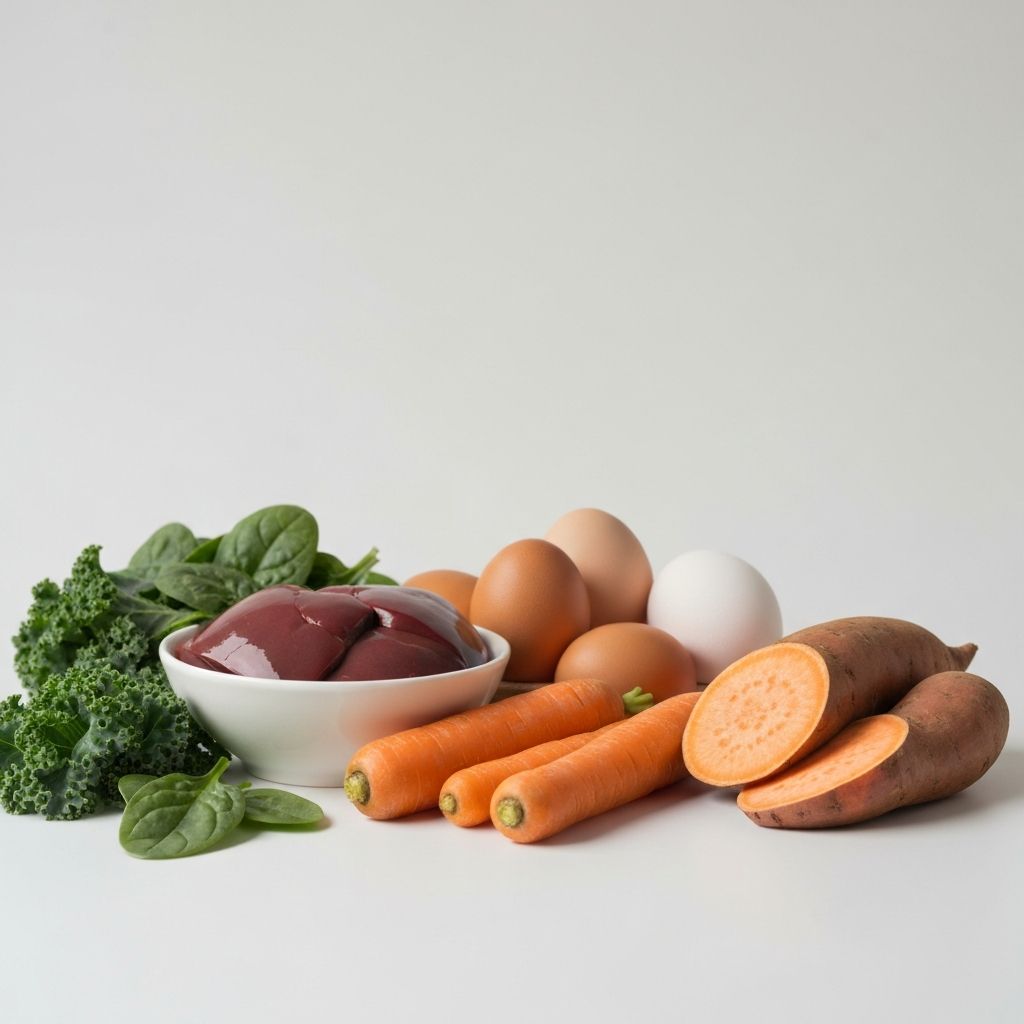
Vitamin A: Natural Sources
Vitamin A exists in food as retinol (preformed vitamin A) in animal products and carotenoids (provitamin A) in plant sources. Both forms support normal vision, cellular differentiation, and immune function.
Preformed Vitamin A (Retinol)
- Beef liver: 6582 IU per ounce
- Egg yolks: 245 IU per yolk
- Cheese: 300–500 IU per ounce depending on type
- Whole milk: 149 IU per cup
Provitamin A (Beta-carotene)
- Sweet potato: 961 IU per 100 grams
- Carrots: 835 IU per 100 grams
- Spinach: 469 IU per 100 grams
- Kale: 500 IU per 100 grams
Trace Minerals Overview
Trace minerals including iron, zinc, selenium, copper, and manganese are required in smaller quantities than macronutrients but are essential for normal physiological function. These minerals function as enzyme cofactors, electron carriers, and structural components.
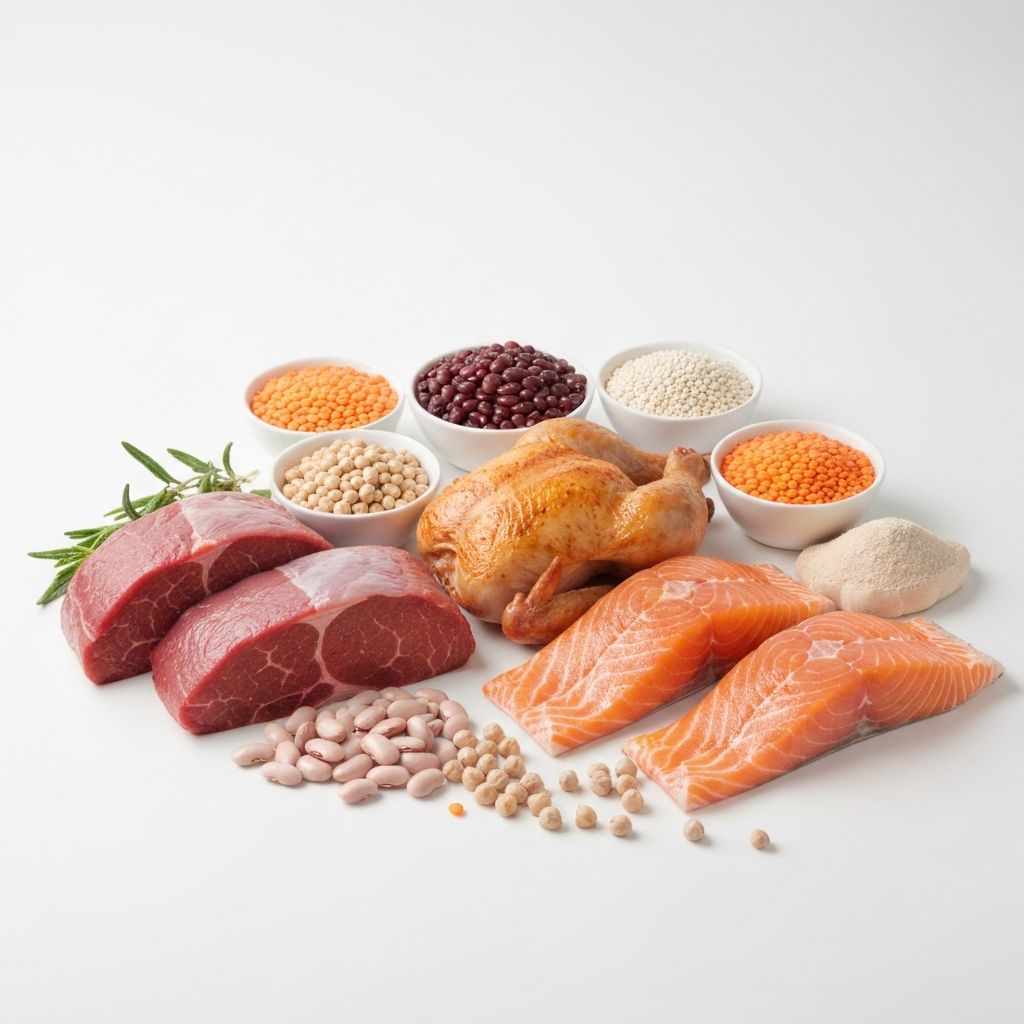
Iron
Essential for oxygen transport via hemoglobin and myoglobin. Sources: red meat, poultry, fish, legumes, fortified grains.
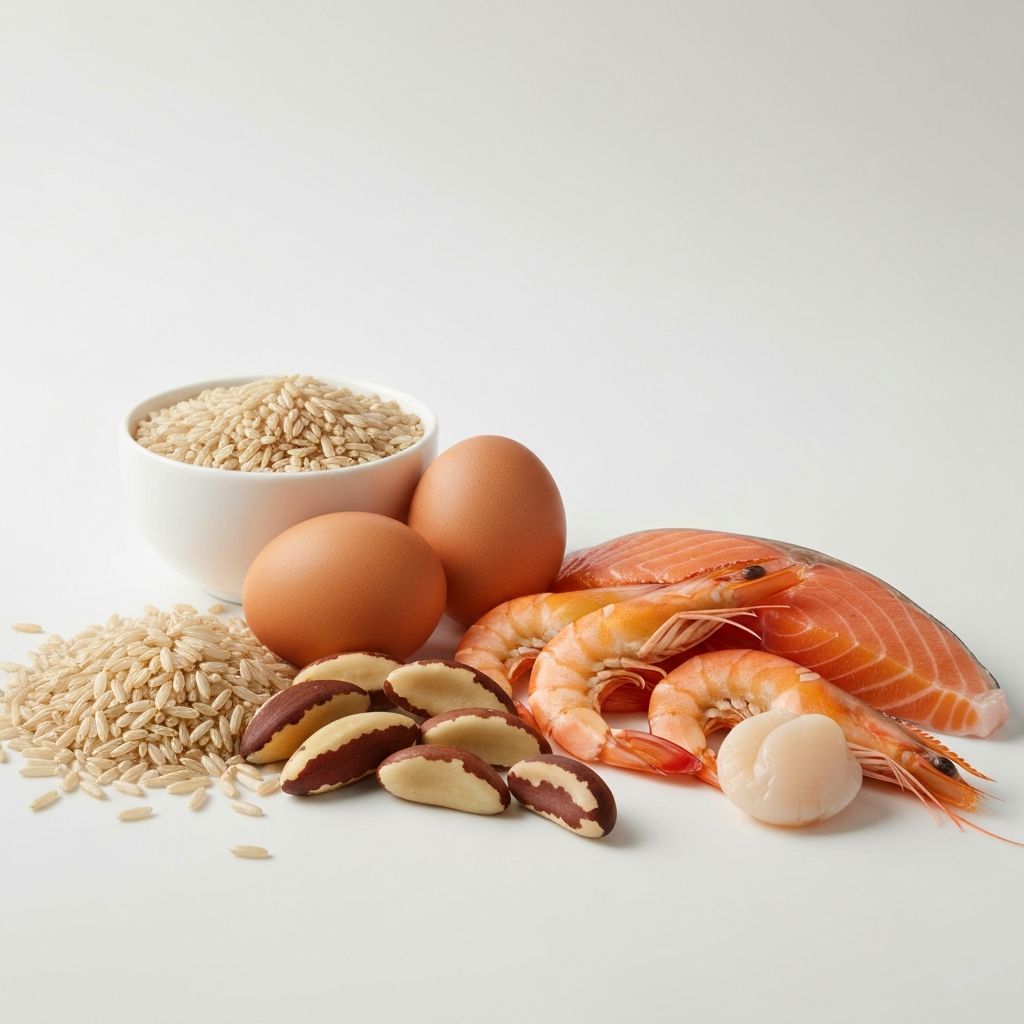
Selenium
Involved in antioxidant enzyme systems and thyroid hormone metabolism. Sources: Brazil nuts (95 micrograms per ounce), seafood, eggs, whole grains.
Bioavailability: Nutrient Absorption Factors
Bioavailability refers to the proportion of a nutrient that is absorbed and becomes available for biological activity. Bioavailability varies significantly based on food composition, preparation methods, and individual physiological factors.
Enhancing factors: Vitamin C increases iron absorption. Fat-soluble vitamins (A, D, E, K) are better absorbed with dietary fat. Cooking can increase bioavailability of some carotenoids by breaking cell walls.
Inhibiting factors: Phytates in grains and legumes can reduce mineral absorption. Tannins in tea and coffee can reduce iron availability. Calcium and iron compete for absorption sites.
A varied diet including both plant and animal sources, along with diverse preparation methods, generally optimizes overall nutrient bioavailability without requiring special preparation techniques.
Impact of Food Processing on Nutrients
Food processing can alter nutrient content through various mechanisms. Thermal processing including cooking, pasteurization, and sterilization affects heat-sensitive nutrients including vitamin C and some B vitamins.
Nutrient retention: Canning and freezing at peak ripeness often preserve more nutrients than long-term room-temperature storage. Minimal processing generally retains more nutrients than extensive processing.
Bioavailability changes: Cooking can increase the bioavailability of certain carotenoids and lycopene by disrupting cell walls. Fermentation can enhance nutrient bioavailability and introduce beneficial compounds.
Nutrient loss: Refinement processes including grain milling reduce mineral and B vitamin content. Leaching into cooking water can reduce soluble nutrients. Long-term storage and exposure to light and heat degrades heat-sensitive vitamins.
The Importance of Dietary Variety
Dietary variety—consuming foods from different groups and sources—is fundamental to obtaining a complete spectrum of nutrients. No single food provides all essential nutrients in optimal proportions.
Nutrient complementarity: Different foods provide different nutrient profiles. Combining animal and plant sources creates complementary amino acid profiles. Rotating seasonal foods ensures exposure to varied micronutrient compositions.
Phytochemical diversity: Plant foods contain thousands of bioactive compounds beyond classical nutrients. Different colored foods provide different phytochemical profiles. Rotating food sources ensures broader phytochemical intake.
Individual variation: Bioavailability varies between individuals based on genetics, gut health, and overall dietary patterns. A broad variety of food sources provides flexibility and reduces reliance on specific individual foods.
Scientific Context and References
This educational content reflects current scientific understanding of nutrient functions and food sources. The following represent key areas of ongoing nutritional research:
- Nutrient bioavailability studies examining absorption factors and food interactions
- Micronutrient epidemiology investigating population-level nutrient status
- Metabolic studies documenting specific nutrient roles in enzyme and protein systems
- Food composition analysis tracking nutrient content across food varieties
- Phytochemistry research characterizing bioactive plant compounds
For detailed research on specific nutrients, consult peer-reviewed nutritional science journals, medical textbooks, and official dietary reference intakes published by nutritional science organizations.
Important Information
Educational Content Only. This website provides informational content about nutrients and food sources. The material is descriptive and explanatory in nature.
Not Medical Advice. This content does not constitute medical advice, recommendations, or diagnosis. Individual nutritional needs vary based on age, health status, medications, and other factors.
Individual Variation. Dietary approaches differ widely. Personal dietary decisions should reflect individual preferences, health conditions, and circumstances.
No Substitute for Professional Consultation. If you have specific health concerns or dietary questions, consult with a qualified healthcare provider or registered dietitian.
No Promises of Outcomes. Information about nutrients does not promise health improvements, disease prevention, or physiological changes.
Explore Further
Learn more about specific nutrients and their roles through our detailed guides.
Read More Explanations